
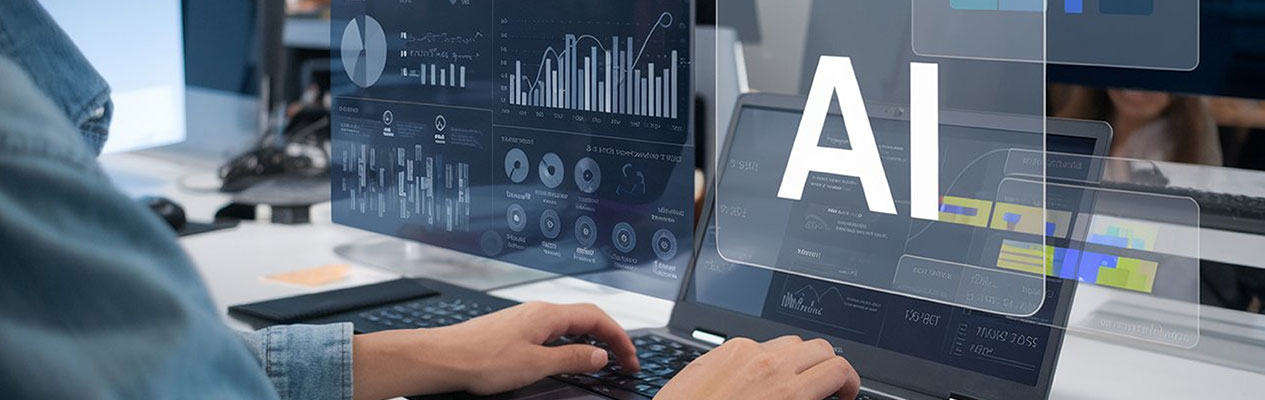
Digital marketing is evolving at a pace that few industries can match. What once relied on intuition and broad targeting is now driven by data, automation, and intelligent systems. Artificial Intelligence is at the centre of this transformation, enabling brands to deliver more relevant, timely, and effective campaigns. The future of digital marketing is not theoretical; it is actively reshaping how businesses connect with their audiences.
Start With Data, Not Assumptions
Modern marketing begins with data, and AI has redefined how that data is used. Instead of relying on basic demographics, AI analyses user behaviour, preferences, and interactions in real time.
Advanced AI models can segment audiences with remarkable precision. They identify patterns that humans might miss, allowing marketers to create highly targeted campaigns. This means messages are no longer generic but tailored to specific user needs and interests.
SEO tip: Search engines prioritise content that aligns with user intent. AI tools can analyse search behaviour and help create content that answers real queries, improving visibility and engagement.
Hyper-Personalisation at Scale
Personalisation is no longer a luxury; it is an expectation. AI enables brands to deliver customised experiences across multiple channels without increasing manual effort.
From personalised email campaigns to dynamic website content, AI ensures that each user sees content relevant to them. Recommendation engines suggest products based on browsing history, while predictive models anticipate what users might need next.
This level of personalisation builds stronger connections with audiences and significantly improves conversion rates. It also ensures that marketing efforts are more efficient, reducing wasted spend.
Smarter Content Creation
Content remains a core element of digital marketing, but AI is changing how it is produced and optimised.
AI-powered tools can generate blog drafts, social media captions, and ad copy within seconds. They can also suggest headlines, keywords, and content structures based on performance data.
In video marketing, AI assists with editing, scene selection, and even script suggestions. This accelerates production timelines and ensures consistency across campaigns.
For agencies like Vizcom, this means delivering high-quality creative output faster while maintaining strategic focus. AI handles repetitive tasks, allowing creative teams to concentrate on storytelling and innovation.
Predictive Analytics: Marketing That Anticipates
One of the most powerful applications of AI in digital marketing is predictive analytics. Instead of reacting to past performance, businesses can now anticipate future behaviour.
AI models analyse historical data to forecast trends, customer actions, and campaign outcomes. This allows marketers to make proactive decisions, such as adjusting budgets, refining targeting, or launching campaigns at optimal times.
Predictive analytics also improves customer retention. By identifying users who are likely to disengage, brands can take action early through personalised offers or targeted communication.
Intelligent Automation and Chatbots
Automation has been part of marketing for years, but AI has made it significantly more intelligent.
Chatbots and virtual assistants can now handle complex customer interactions. They provide instant responses, guide users through purchase journeys, and resolve queries without human intervention. This improves customer satisfaction while reducing operational costs.
AI-driven automation also streamlines campaign management. Tasks such as bid adjustments, audience targeting, and performance tracking can be handled automatically, ensuring campaigns remain optimised at all times.
Visual and Voice Search Optimisation
Search behaviour is changing, and AI is driving this shift. Visual and voice search are becoming increasingly important in digital marketing strategies.
AI enables image recognition, allowing users to search using photos instead of text. Similarly, voice search relies on natural language processing to deliver accurate results.
Marketers must adapt by optimising content for these formats. This includes using conversational language, structured data, and high-quality visuals. Brands that embrace these trends early will gain a competitive advantage.
Real-Time Campaign Optimisation
Traditional campaigns often required manual adjustments based on periodic reports. AI has eliminated this delay by enabling real-time optimisation.
AI systems continuously monitor campaign performance and make adjustments instantly. Whether it is reallocating budgets, refining targeting, or testing creatives, these systems ensure maximum efficiency.
This approach not only improves performance but also reduces the time and effort required for campaign management.
Challenges and Responsible Use
While AI offers significant advantages, it also introduces challenges that must be addressed carefully.
- Data privacy: Handling user data requires strict compliance with regulations
- Algorithm bias: AI systems must be monitored to avoid unfair or inaccurate outcomes
- Over-automation: Excessive reliance on AI can reduce human creativity and authenticity
Businesses must strike a balance between automation and human insight to achieve the best results.
The Importance of Strategic Implementation
Adopting AI tools is not enough; success depends on how they are implemented. Businesses must align AI initiatives with their overall marketing goals.
This involves selecting the right tools, integrating them with existing systems, and continuously evaluating performance. A clear strategy ensures that AI delivers measurable value rather than becoming an unused investment.
Working With the Right Digital Partner
Implementing AI in digital marketing requires expertise across technology, data, and creative strategy. This is where experienced agencies play a critical role.
Agencies like Vizcom combine AI-driven tools with creative execution to deliver campaigns that perform. From content creation and automation to analytics and optimisation, they provide end-to-end solutions tailored to business needs.
This integrated approach ensures that AI is not just a tool but a driver of growth and innovation.
Conclusion
AI is redefining digital marketing by making it more precise, efficient, and responsive. From hyper-personalisation and predictive analytics to intelligent automation and real-time optimisation, its impact is both immediate and far-reaching.
Businesses that embrace AI today will be better positioned to compete in an increasingly data-driven landscape. Those who delay risk falling behind as competitors leverage smarter, faster, and more effective marketing strategies.
The future of digital marketing is already unfolding. The question is not whether to adopt AI, but how quickly and effectively it can be integrated into your strategy.